Excellent


Is your pillow good enough?
Your pillow is closer to you than you think
Every night your face rests directly on the surface of your pillow. And yet very few people stop to consider how the material of the pillowcase affects their skin, their hair and — perhaps most importantly — their sleep. Many people focus on the mattress, the bed and bedtimes, but overlook the piece of fabric that’s in the closest possible contact with the body, night after night.
Your pillowcase is in contact with your skin and hair for around a third of the day. That makes it a far bigger factor than most people realise.
Common materials can cause hidden problems
Most people use cotton or polyester pillowcases because they’re cheap and easy to find. The problem is that these materials can absorb moisture from the skin and hair, increase friction and create small areas of warmth and dampness over the night.
You may not feel it directly, but over time it can lead to dryness, irritation, broken hair strands, and disturbed sleep.
What happens to skin and hair at night?
Night-time is the body’s natural recovery window — and that includes skin and hair. While you sleep, your body is busy repairing cells, balancing moisture levels and clearing waste.
• Skin is more susceptible to moisture loss and pressure
• Hair is extra fragile after the day’s wear and tear
• Your face is pressed against the pillow’s surface for hours on end
• Even minor irritation can disturb your sleep without you realising
That’s why it’s so important that the material you sleep on supports those processes — rather than working against them.
Why silk is a smart choice
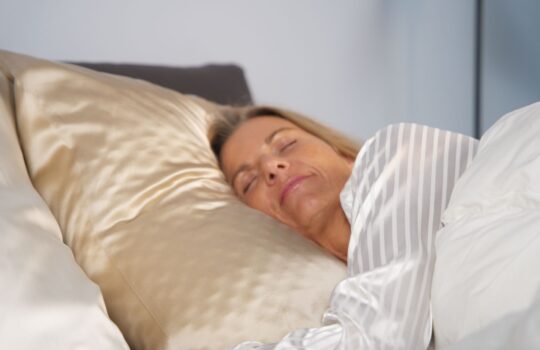
A silk pillowcase has a smooth surface that significantly reduces friction. That means less pulling on the skin and less breakage in the hair. Silk also helps regulate moisture and stays cooler against the skin than synthetic materials.
Many people notice the difference within just a few nights — fewer pillow lines on the face in the morning, smoother hair, and a generally more pleasant feeling at the touch point between body and bed.
A silk sleep mask is a great companion
If you’re sensitive to light, a silk sleep mask is a natural complement to a silk pillowcase. It creates a calm, soft, moisture-preserving environment around your eyes — without pressing on the delicate skin in that area.
How to get started
Improving your sleep comfort doesn’t have to be a big investment. You can start with a few simple changes:
• Swap your everyday pillowcase for silk
• Wash it gently and avoid fabric softener
• Tie up or loosely braid your hair to avoid friction
• Sleep with a silk sleep mask if you’re sensitive to light
• Make it part of a relaxing evening routine
You don’t need to overhaul your whole bed — just upgrading the layer closest to your skin can make a real difference.
Sleep starts in the details
Good sleep doesn’t only come from a perfectly dark room or a strict bedtime. It comes from the small details that make a difference — and your pillowcase is one of them. Choose the material that supports your body, and your skin, your hair and your sleep will thank you.