Excellent


Do blue light glasses actually work? Facts vs. myths
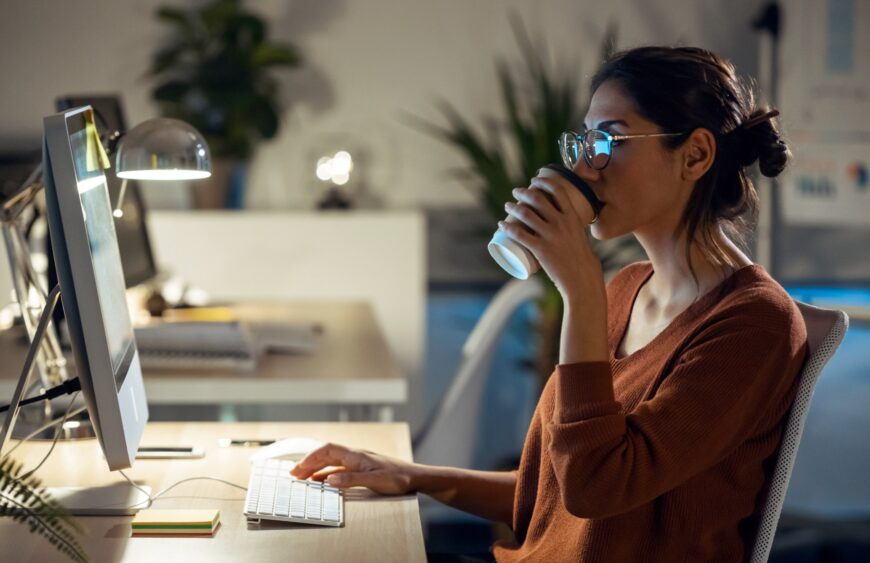
A lot of us spend hours every day in front of screens — computer, smartphone and TV all emit a lot of what’s known as “blue light”. At the same time, blue light gets blamed for everything from headaches to bad sleep. But what does the research actually say? And do blue light glasses really help?
What is blue light — and why can it be a problem?
Blue light is part of the visible spectrum and typically sits between 380 and 500 nanometres. It’s energy-rich, which means it can penetrate deeper into the eye than, say, red light. During the day, blue light is important — it helps us stay awake and regulate our internal clock.
But in the evening it can become a problem. Artificial blue light from screens tricks the body into thinking it’s still daytime, suppressing melatonin and making it harder to fall asleep. That’s why dialling back blue light exposure in the evening is so often recommended.
What can blue light glasses actually help with?
There are a lot of claims about blue light glasses. Here’s what’s reasonably well supported:
- Reduces digital eye strain: When you stare at screens for long stretches, you blink less and are exposed to intense light. Blue light glasses can reduce some of that light, leaving your eyes less tired and irritated.
- Protects against UV: Many blue light glasses also filter out UV light, which protects the cornea and lens over time.
See Harvard Health on digital eye strain and blue light.
Common myths about blue light glasses
- Myth: They cure all sleep problems. They can support better sleep, but they don’t replace a healthy sleep environment, regular bedtimes and good sleep hygiene.
- Myth: All blue light glasses work the same. Quality varies a lot. Some lenses block only a fraction of blue light — and without independent testing, it’s hard to know what you’re actually getting.
Who benefits most from blue light glasses?
Blue light glasses are particularly relevant for:
- People who work at a screen in the evening: If you’re at the computer after 8pm, extra protection can help you sleep better afterwards.
- People who often experience headaches or eye strain: Even during the day, milder blue light filters can take some of the edge off.
- Gamers and series enthusiasts: Long evening sessions mean extra exposure to the light that can disrupt melatonin and your circadian rhythm.
That’s why it’s important to choose documented quality
At Nattelyst we’ve had our blue light glasses independently tested at a recognised optical lab.
- Our 98% glasses block a documented 98.02% of blue light in the critical 380–500 nm range. They’re built for evenings of gaming, Netflix or work — when you want to protect your circadian rhythm and your sleep.
- Our 30% glasses are perfect for the daytime. They still block 30.73% of blue light without changing colour perception, while protecting 100% against UVA and UVB.
See the full lab results here: https://nattelyst.com/lab-results/
When you choose documented blue light glasses, you can be confident they actually block the light that causes tired eyes, disrupts melatonin and — over time — strains your eyesight.