Excellent


Why poor sleep makes you sick
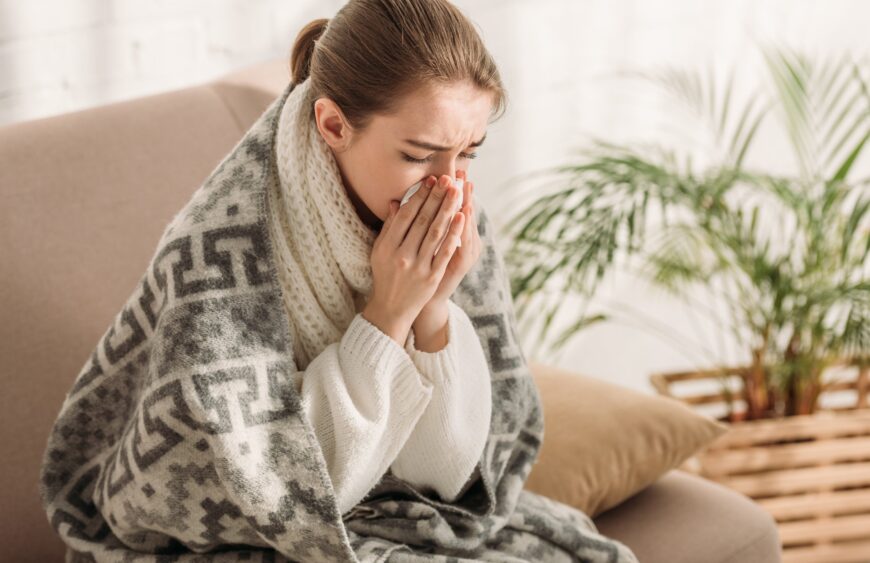
We all know sleep is important. It’s how the body rests, repairs itself and gets back on its feet. What a lot of people miss, though, is just how closely sleep and the immune system are tied together. It’s not just something that feels true — it’s documented in the research.
While you sleep, your body is actively at work. Hormones are released, cells communicate, and your immune system gets ready for the next day. If you sleep too little, irregularly or too lightly, that has direct consequences for your body’s ability to protect itself.
Bad sleep doesn’t make you sick overnight. But over time it weakens the immune system and makes you more vulnerable to infections, inflammation and slower healing.
Sleep and the immune system are deeply connected
The immune system is made up of cells and signalling molecules that constantly assess whether anything in the body is a threat. Viruses, bacteria, damaged tissue — they all get evaluated. While you sleep, the body shifts gears: the immune system moves from surveillance mode into rebuilding mode. New cells are produced, old ones are cleared out, and the body gets a real chance to recover.
That work happens primarily during deep sleep. If sleep is interrupted, that production drops, and the immune system has a harder time responding effectively.
It’s no coincidence that we tend to get sick after stretches of poor sleep. The body has simply had less time to maintain its defences.
Bad sleep makes you more susceptible
A study from the University of California found that people who slept less than six hours a night for a week were four times more likely to catch a cold after exposure to a virus, compared with people who slept seven hours or more.
It’s not just about the lack of rest. It’s about the immune system getting worse at distinguishing between actual threats and normal signals. That can lead to over-reactions, persistent inflammation, and a greater risk of small problems turning into bigger ones.
Irregular sleep is almost as harmful as too little sleep
A lot of people assume they can sleep in on the weekend and “make up” for a bad week. Research suggests that irregular sleep patterns can be almost as taxing as not getting enough sleep at all.
Going to bed late one day and early the next throws off the body’s circadian rhythm. That makes it harder for the immune system to adapt. Hormones, body temperature and cell activity all get pushed out of sync, and the overall stability suffers.
The body needs routine. It responds best when sleep happens around the same time every day, and when the surroundings signal calm and darkness.
A sleep-friendly environment makes a difference
To get the kind of sleep that actually strengthens the immune system, you need more than just time in bed. The environment matters. A cool, dark, quiet bedroom helps the body settle into deep sleep faster and stay there longer.
Light exposure in the evening — especially the blue light from screens — can suppress the body’s melatonin production and delay sleep onset. That can be a real issue if you’re working or reading on a screen late into the evening.
If you sleep in a room with light coming in from outside, like street lamps or screen reflections, a sleep mask can be a huge help. It creates a darker environment and helps your body hold on to its melatonin production through the night.
The immune system is strengthened during the deep, stable phases of sleep
The body needs uninterrupted sleep to activate certain processes. That includes the release of growth hormone, which supports cell renewal. It also includes the replacement of old immune cells and the production of new ones.
When sleep is interrupted, time spent in the deep sleep stages is reduced. That means the body never quite gets to activate the processes it depends on. Over time, you end up running a body that’s never fully maintained — and the immune system pays the price.
How to support your sleep — and your immune system
There’s no guarantee against getting sick. But you can give your body a much stronger fighting chance by making it easier to sleep well.
If you’d like to support your sleep with some simple steps, try:
• Wearing blue light glasses in the last few hours before bed if you’re using a screen
• Sleeping in complete darkness with a sleep mask
• Avoiding heavy meals and caffeine late in the evening
• Going to bed and waking up at the same time, including on weekends
• Building calm bedtime routines that signal the day is winding down
It doesn’t have to be complicated. The most important thing is that your body knows when it’s supposed to sleep, and gets enough peace and quiet to do its job.
Sleep is a part of your inner defence
Looking after your sleep doesn’t make you immune to illness. But it gives you a stronger starting point. Sleep isn’t a luxury — it’s part of your inner defence, and it’s worth taking seriously.