Excellent


Protect your circadian rhythm from blue light and sleep better
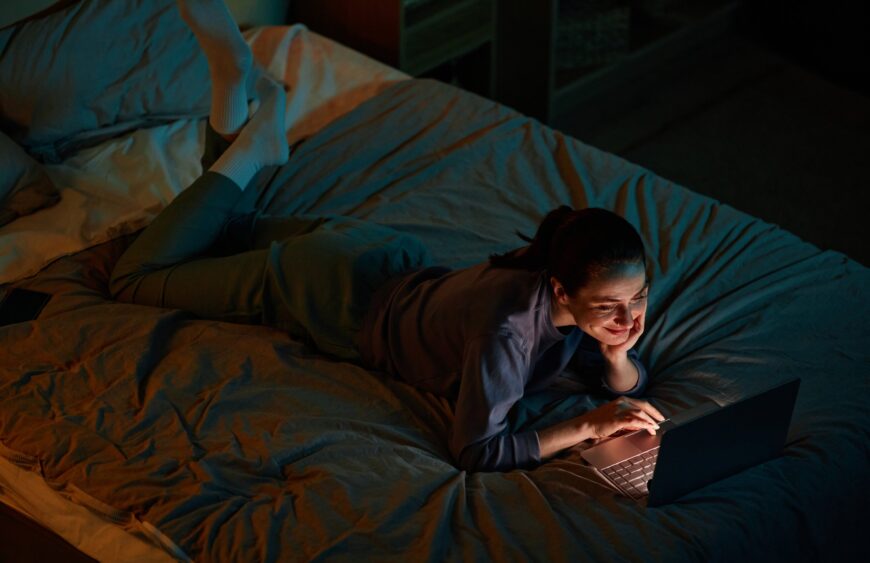
Modern life is full of screens, lamps and LED lights that can disrupt the body’s natural rhythms. So why is the circadian rhythm so important — and what can you do to protect it, so you fall asleep more easily and sleep more deeply?
What is the circadian rhythm, exactly?
The circadian rhythm is the body’s built-in biological clock, which controls when you’re awake and when you naturally start to feel tired. It’s regulated by light and darkness, and it affects everything from hormones to body temperature and digestion. As it gets dark, the brain starts producing more melatonin, which makes you sleepy. In the morning, melatonin production stops again, so you feel alert.
Blue light can fool the body
Blue light from screens and LED lighting is the closest match to natural daylight. It’s great in the morning, when it helps wake you up — but in the evening it can cause serious problems. Even small amounts of blue light tell your brain it’s still daytime. The result is that melatonin production is delayed, you fall asleep later, and your sleep can become more shallow.
How to protect your circadian rhythm
Wear blue light glasses in the evening
One of the simplest, most effective tools is a pair of blue light glasses, which filter out a large portion of the blue light from screens and lamps. That means you can still work or watch TV in the evening without disrupting your body’s circadian rhythm in the same way. Many people also find their eyes feel less dry and tense, since blue light can make the eye muscles work harder. That way, the natural tiredness builds up better.
Cut down on screen time in the evening
Try putting your phone away for at least an hour before bed and using the time for something calmer — reading or listening to music. Many people also find it helpful to set their screen to “night mode” with warmer tones, so the light feels less harsh.
Sleep in complete darkness
Even small flashes of light from chargers, electronics or street lamps can disrupt sleep depth. A blackout sleep mask creates total darkness around the eyes — a simple, effective addition to your sleep environment.
Use a silk pillowcase
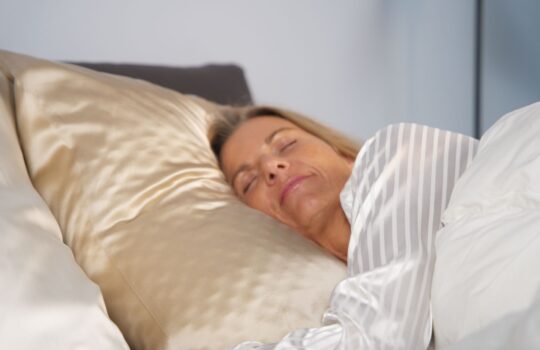
The small movements when your head shifts against the pillow during the night can actually send micro-signals to the nervous system and cause light awakenings. A silk pillowcase lets the skin glide more easily and reduces friction. It protects both skin and hair, and supports more continuous sleep.
How to wake up feeling fresher and more alert
Small choices like filtering blue light, reducing screen time, and creating a fully dark, quiet environment can together mean you don’t just sleep longer — you sleep deeper and better. Which means you wake up with a brain that’s ready for a new day, and a body that’s fully recharged.