Excellent


Can your sleeping position make you smarter?

We spend up to a third of our lives sleeping. And yet very few of us think about how the body is actually positioned while we’re asleep. We find a position that feels safe, maybe roll over a few times during the night, and trust that sleep will do its job.
But how you lie in bed matters more than you might think. It can affect your neck, your skin and even your breathing. Sleep position influences how the body recovers. It’s not about lying “correctly” in a technical sense — it’s about supporting the body so it can let go and heal in peace.
The body keeps working while you sleep
While you sleep, the muscles relax. Your breathing slows. Blood flows freely, delivering oxygen and nutrients to the areas that need to repair and rebuild. Hormones are released, the immune system gets to work, and the brain processes the experiences of the day. None of it requires conscious effort — but it’s deeply influenced by the position of your body.
The position of your neck matters more than we realise
Your head weighs several kilograms. While you sleep, your neck has to support and carry it without the help of your muscles. If the pillow is too high or too low, the neck gets bent backwards or pushed forward. The result is tension and reduced blood flow to the shoulders and the scalp.
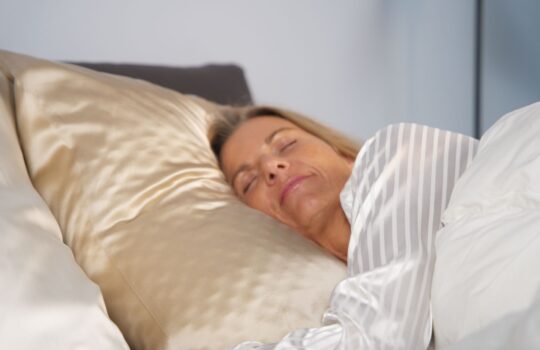
A soft, flexible surface — like a silk pillowcase on a well-fitted pillow — adapts to the shape of your head and neck. It supports without pushing back, creating a calmer pattern of pressure across the night.
The neck doesn’t need rigid support; it needs even support. When your head rests without bending, muscles and joints can relax. You usually don’t feel the difference while you sleep, but you feel it in the morning.
Skin reacts to where you lie
Skin is alive while you sleep. It renews itself, retains moisture and reacts to the surfaces it touches. Many people develop more lines or marks on the side they sleep on most. That’s the result of repeated exposure, especially if the materials are rough or warm.
Sleeping on a smooth, cool surface reduces friction and trapped heat. A silk pillowcase doesn’t just feel soft — it also creates fewer pressure points and lets the skin breathe while you rest.
Your breathing depends on how you lie
When you sleep on your back, the tongue tends to fall back into the mouth. That can partially block the airway, causing snoring or restless sleep. Many people breathe through their mouth without realising — particularly when sleeping on their back.
Mouth breathing at night can disrupt the depth of your sleep. It dries out the mouth, raises the chance of waking, and reduces oxygen uptake. Over time it can lead to less restorative sleep, even if the total hours look fine on paper.
Which sleep position is best?
There isn’t one correct position, but some support the body better than others. It depends on your body type, your breathing and how sensitive you are to pressure and tension.
Some general considerations that may help:
• Side sleeping is often best, since it relieves pressure on the back and the airways
• Sleeping on your back can be fine if your head and neck are properly supported
• Sleeping on your stomach is often discouraged — it twists the neck and presses the lower back
• An even pillow and a stable surface reduce tension
• Avoid sleeping with your arms tucked under the pillow, which can pinch nerves
If you wake up restless, tense or with a dry mouth, it can be a sign that your sleep position isn’t working for you. Small changes can make a real difference.
Where to start
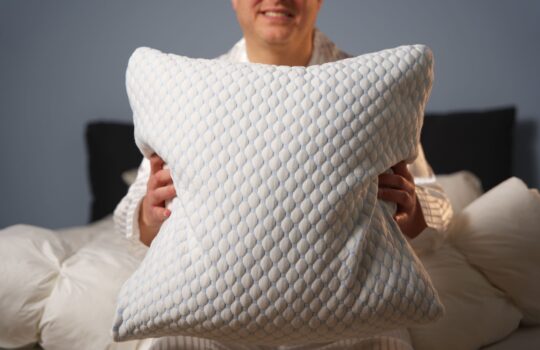
Start with the pillow. It’s the centre of everything — neck, skin and breathing. A flexible surface and soft support make it easier for the body to settle. It’s also worth thinking about whether you can support better nasal breathing, especially if you sleep on your back.
If you sleep lightly or wake often, look at the bigger picture. Temperature, mattress, fabrics and breathing all work together. When they support the body instead of working against it, recovery is far better.
The shape of your night shapes the energy of your day
Your sleep position isn’t just a habit. It’s part of the body’s language. When you give the body better support, you also give it the chance to rebuild itself. You don’t necessarily feel it during the night — you feel it in the days that follow.
You don’t have to overhaul everything at once. Just notice how you lie, what supports you, and what works. The body always responds when it’s given a little more space to rest.