Excellent


Waking up in the middle of the night?
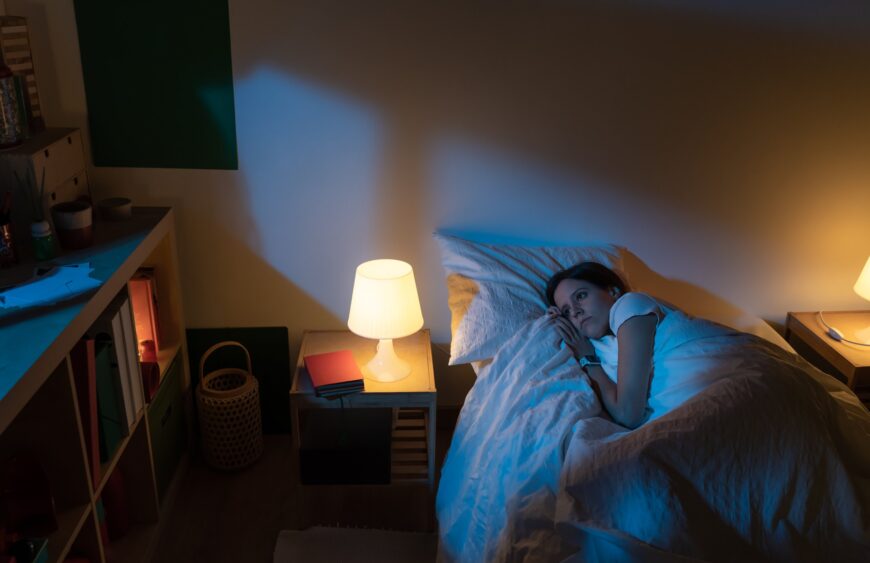
You wake up in the middle of the night. It’s dark and quiet, but the body doesn’t feel quite settled. Maybe you check the clock. Maybe you don’t. Either way, you can tell you’re awake — without any obvious reason. A lot of people experience this. Some fall back asleep quickly, while others lie awake for a while, waiting for calm to return.
It can be frustrating, especially when you feel like you’re doing everything right. You go to bed in good time, avoid caffeine, and the room feels quiet and dark. And yet your sleep gets interrupted. Often it happens around the same time every night.
In cases like this, it’s worth taking a closer look at the small disturbances that the body picks up on, even when you don’t consciously notice them. We call them sleep stealers. They’re not dangerous, but they can make sleep more restless if you don’t catch them.
Why we wake up in the middle of the night
The body doesn’t sleep at the same depth all night long. Sleep moves through cycles — light sleep, deep sleep and REM. Between each cycle there are short, almost invisible micro-arousals where the body briefly returns to a more wakeful state. If something disturbs the body during one of these transitions, it becomes much harder to slip back into sleep. The disturbances can be small, but the body reads them as signals and responds.
Light in your surroundings can confuse the circadian rhythm
Even with your eyes closed, the brain still registers light. That includes light from outside — like street lamps — and indoor sources like standby lights, chargers and small displays from electronics. Even very faint light can send a signal to the body that it’s time to wake up.
A study has shown that light levels as low as five lux can affect melatonin and make sleep more shallow. That’s about the level of light that can leak through ordinary curtains in a city.
A blackout sleep mask is one of the simplest ways to remove that source of disturbance. By keeping the eyes in complete darkness, the body can hold on to the calm signals it needs to stay asleep.
Sounds can activate the brain even when you’re sleeping deeply
A lot of people assume they’re sleeping in peace, but the body is constantly listening. The brain is built to pick up on changes in the environment and decide whether there’s reason to wake up. That means even small sounds can trigger a response that disrupts the rhythm of sleep.
It might be traffic, neighbours, wind, birds or floors creaking. Often you don’t remember the sound — you just notice you’ve woken up without explanation. These kinds of disturbances are more common than we realise.
Earplugs can dampen those impressions and give the nervous system some peace. They reduce noise without removing it entirely, and for many people they create a feeling of much more stable sleep.
Mouth breathing plays a bigger role than most people realise
If you breathe through your mouth at night, your sleep can be affected even if you’re not aware of it. Mouth breathing dries out the mucous membranes, increases the risk of snoring, and can prompt the body to wake up briefly because the airflow becomes irregular. These short awakenings can happen multiple times a night and make sleep more shallow.
A growing number of people are using mouth tape to support nasal breathing during the night. By gently keeping the mouth closed, breathing stays calmer. The result is fewer awakenings and deeper, more continuous sleep.
Other things the body reacts to in the dark
Some disturbances aren’t felt directly, but the body still responds. They might be changes in temperature, clothing that feels off, or signals from your digestion. It all interacts, and some people are more sensitive than others.
Common examples include heavy bedding that traps too much heat, fabrics that feel rough against the skin, or eating too late and overloading the digestive system. None of these things feel dramatic, but they can make it easier for the body to be pulled out of light sleep.
What can you do?
You can’t control everything, but you can make it much easier for the body to sleep undisturbed. It isn’t about perfection — it’s about reducing the opportunities for unnecessary awakenings.
Start with the areas that are easiest to adjust. That can be light, sound, air or routines.
If you wake up repeatedly at night, try the following changes to your environment:
• Wear a blackout sleep mask to block any remaining light
• Use sleep earplugs to soften the sounds that pull you out of light sleep
• Try mouth tape if you tend to breathe through your mouth
• Make sure the bedroom is cool, with breathable fabrics on the bed
• Avoid heavy meals and bright screens in the last hour or two before bed
• Keep your bedtime and wake time as consistent as you can
None of these changes is dramatic on its own. But layered together they can make a real difference to whether the body stays settled through the small transitions in the sleep cycle.
Good sleep isn’t about sleeping perfectly. It’s about giving the body the best possible conditions to find its way back to calm whenever it needs to.