Excellent


Do you sleep too cold or too warm?
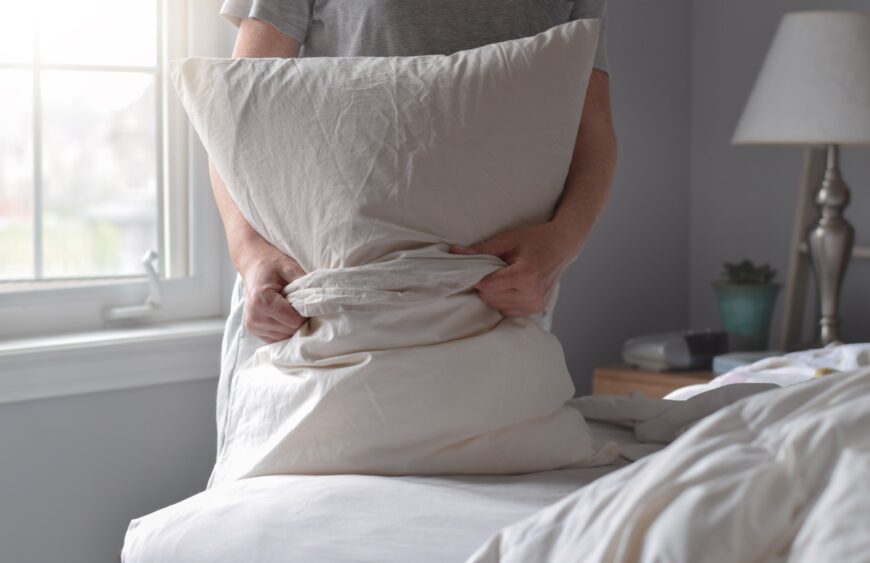
When the temperature isn’t right, sleep falls apart. The body burns energy on regulation, which throws off the rhythm of sleep and disrupts the deeper stages. You wake more easily, toss and turn, feel cold or hot. All of those movements and wake-ups can drag the quality of an entire night down.
The ideal sleep environment has a temperature and a choice of fabrics that help the body keep a stable core. When that stability is in place, the body can focus on recovery, healing and hormone balance — instead of fighting cold or heat.
Thermal regulation and sleep
The body’s temperature naturally drops when sleep starts. That’s an important part of the sleep rhythm. Heat from the body, the duvet and the bedding all keep the temperature slightly elevated, but if the surroundings are too warm, the body’s core temperature rises, and sleep is interrupted. Equally, if the surroundings are too cold, you spend energy generating heat — and that creates restless, shallow sleep.
Breathable materials make the difference
The materials around you matter a lot. Fabric that doesn’t let heat and moisture escape gets warm and damp quickly. The result is discomfort, sweating and broken sleep. Materials like silk, bamboo and viscose let the skin breathe, regulate moisture and feel cool against the body.
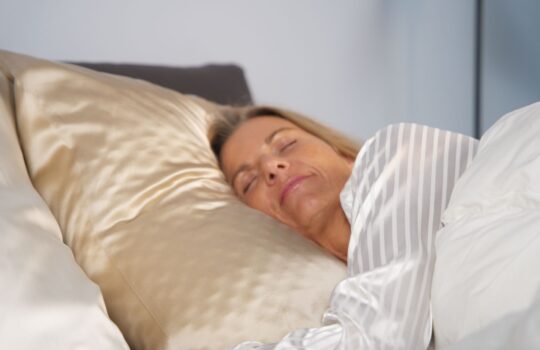
A silk pillow and silk bedding help reduce trapped heat and pressure points against the skin. Silk is soft, light, and reduces friction when you turn in your sleep. You feel the difference when you wake without warm patches or pinching marks.
A cold night can be just as much of a problem
It’s not always the heat that’s the issue. A bedroom that’s too cold can also disrupt sleep. The body has to work harder to maintain its core temperature, which uses energy that should be going into recovery. If your body is constantly burning energy to stay warm, it has fewer resources for restoration and immune function.
When does heat become the problem?
Heat becomes a problem when it goes beyond the body’s ability to cool itself. If the room is warm, the fabrics are dense and the air is still, you don’t just sweat — you also see a higher heart rate, more discomfort and lower-quality sleep. Heat makes you wake earlier, sleep more shallowly, and spend less time in the deep stages.
All of these reactions happen because the body is trying to find balance. It does that through the surface of the skin, sweat production, the airways and circulation. When that balance is pushed off, it affects the body’s ability to follow its circadian rhythm and regenerate properly.
Setting up your sleep environment
Some practical adjustments that help:
• Keep the bedroom between roughly 16 and 19 degrees Celsius as a starting point
• Use light, breathable bedding — silk, or cotton blended with silk — so the skin can breathe
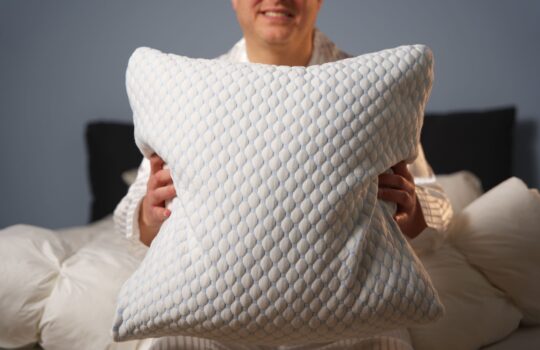
• Choose a silk pillowcase as the contact point against your head and neck to reduce heat transfer
• If you tend to sleep hot, try a cooling sleep mask, which cools the skin around the eyes and prevents discomfort
• Pay attention to whether your duvet and sheets are getting too warm during the night
These adjustments help the body find balance night after night. You may need to try a few different combinations to find the exact setup that works for you.
Routine and temperature work together
Temperature on its own isn’t enough. Routine matters too. Going to bed at consistent times, winding down with a calming activity, and keeping the room dark and quiet all help the body settle. When you regularly sleep at temperatures that feel right, the body becomes better at regulating itself across the deeper sleep stages.
When you’ll feel the difference
Once you’ve adjusted your temperature and the materials around you, you’ll notice the change. You sleep more deeply, wake fewer times, and feel fresher in the morning. The heat fades, the cold lets go, and your skin feels smooth. You may notice that you don’t sweat at the back of your neck any more, that you don’t get cold toes, and that you simply lie still for longer.
These improvements usually show up after a few nights. You may need to experiment a little with bedding, temperature and eye masks to find the setup that works best for you. The key is to listen to your body.
Where temperature also affects health
Temperature affects more than how rested you feel. Stable, comfortable nights support immune function, hormone balance and recovery. If your room is too hot or too cold, or if you’re sleeping with the wrong materials, the body has to spend energy on adjusting rather than rebuilding.
A little gear that makes a difference
By choosing the right materials and adding a few supportive accessories, you can lift the quality of your sleep noticeably. Some calm suggestions:
• A well-made cooling sleep mask that wraps around the eyes and helps regulate the heat around your face
• Silk bedding that lets air through and helps the body stay cool without getting cold
None of these solutions takes up much space or asks for a big investment. Even small improvements to your sleep environment send a signal to the body that it can let go and rest.
A balanced night, a better day
Your sleep is the result of many things working together — temperature, materials, environment and routine. When they support you, the night becomes the foundation for health, energy and well-being.