Excellent


What is jet lag? How to reduce it (2025)
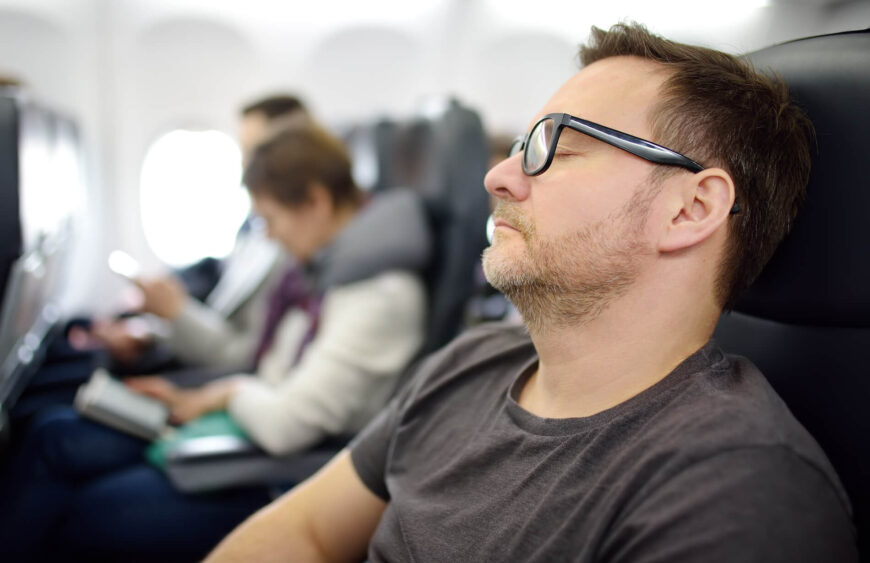
We’ve all been there: stepping off a long flight feeling completely out of step with the world. That familiar sensation is jet lag — a state your body lands in when your internal clock is out of sync with the local time at your destination. Jet lag can wreck your sleep, drag down your mood and dent your overall well-being.
What is jet lag?
Jet lag is a physiological condition caused by rapid long-distance travel — usually by plane — where you cross several time zones. It can affect sleep, digestion and a number of other bodily functions.
How to avoid jet lag
A good place to start is to understand what’s actually happening in the body and to plan ahead. Adjust your sleep schedule a few days before you travel, stay hydrated in the air, skip the alcohol and caffeine on the plane, and get some daylight at your destination as soon as you can. The right tools also make a real difference. By blocking out light and noise, they help create an environment that promotes better sleep — both on the plane and once you’ve arrived. Nattelyst.com offers a wide range of products that can help you fight jet lag.
Our Flykit: the best earplugs for flying
If you’re looking for earplugs designed specifically for flying, we’ve got the perfect option for you: our Flykit. These earplugs are built to handle the pressure changes that happen during a flight, and they also block out noise so you can rest properly and arrive at your destination feeling far more recovered.
- Effective noise reduction: Flykit earplugs are designed to block out noise so you can enjoy a calmer, more relaxing flight. That’s especially useful if you’re hoping to sleep on board.
- Ergonomic design: Our earplugs are made from a soft material that conforms to your ear, so they stay comfortable to wear over a long flight.
- Pressure regulation: These earplugs help equalise the pressure in your ears during take-off and landing, which goes a long way to reducing the discomfort most travellers know all too well.
- Reusable: The Flykit earplugs can be cleaned and used again and again, making them an economical and environmentally friendly choice.
How does jet lag affect the body?
Jet lag happens when our bodies are trying to adjust to a new time zone. Our internal clock — also known as the circadian rhythm — controls when we feel awake and when we feel ready to sleep. That rhythm adjusts slowly to changes in light and dark, but when you fly across several time zones in a few hours, that adjustment process gets thrown off. The result is jet lag: tiredness, insomnia, headaches and a general sense of being unwell.
Earplugs for children
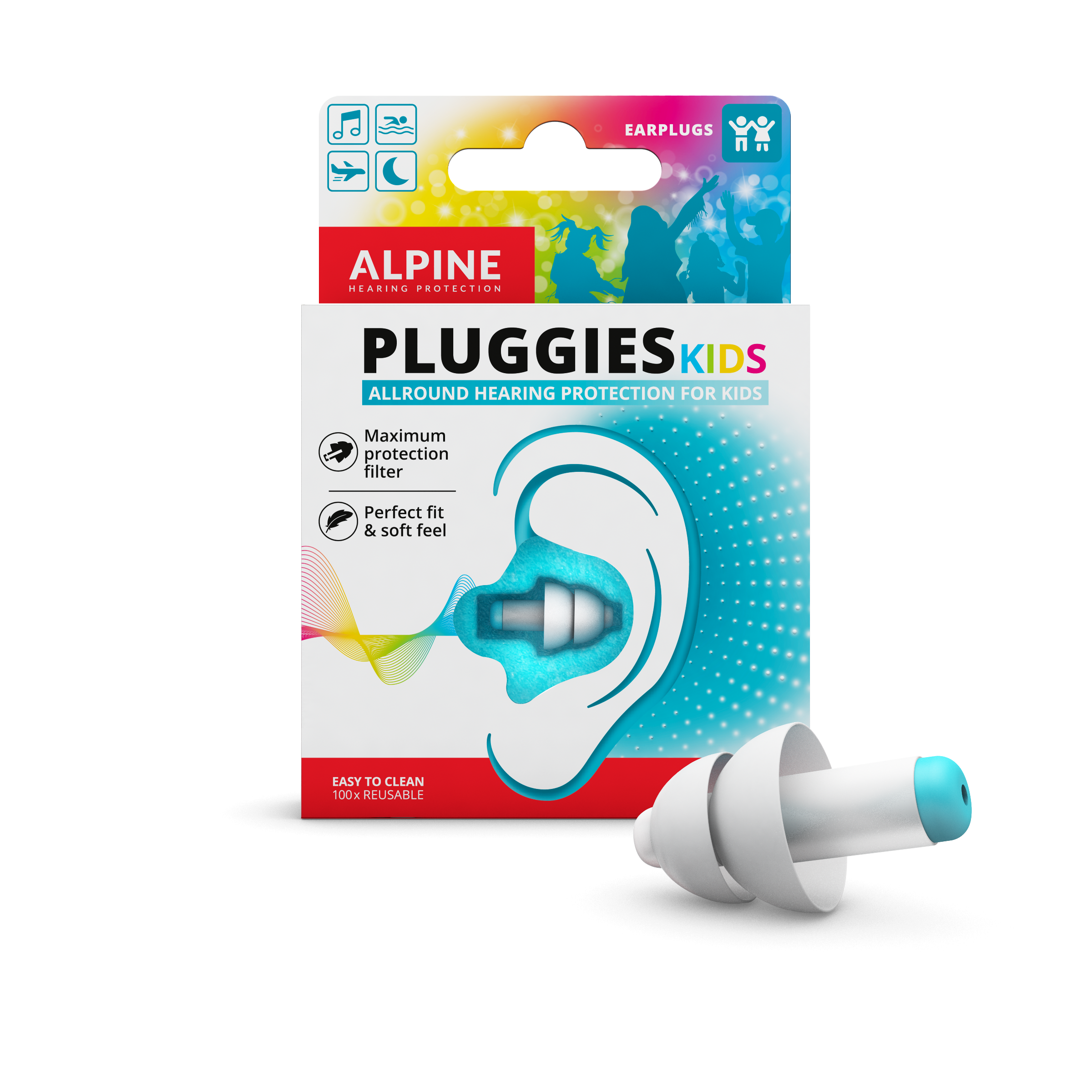
At Nattelyst we’ve thought about the youngest travellers too. Our earplugs for children are designed to fit comfortably in small ears and protect against loud sounds and pressure changes. Whether your child is sleeping or wide awake, they’ll have a much more comfortable flight.
- Comfort: The earplugs are made from a soft, child-friendly material that won’t cause discomfort even after extended use.
- Effective noise reduction: They block out loud sounds effectively, helping kids fall asleep or simply relax during the flight.
- Pressure regulation: Like our adult Flykit, these also help equalise the pressure in the ears during take-off and landing, reducing discomfort for the kids.
- Reusable: They can be cleaned and reused — a more economical and environmentally friendly choice.
- Safety: They’re shaped to stay safely in place and prevent small children from pushing them in too far.
Symptoms of jet lag
Symptoms of jet lag vary from person to person, and largely depend on how many time zones you’ve crossed. The most common ones include exhaustion, trouble falling asleep, waking up in the middle of the night, waking too early, headaches, brain fog and digestive trouble. They can last several days depending on the length of the trip and how quickly your body adapts.
How does jet lag affect our body?
Our bodies have a built-in “clock” that regulates many of our biological processes, including sleep. When we travel across several time zones, that internal clock gets confused. It might think it’s time to wake up when it’s actually the middle of the night — or vice versa. The result is the symptoms above: disrupted sleep, digestive disturbances and a general sense of unease. The more time zones you cross, the more pronounced the effect tends to be. Avoiding alcohol and caffeine on the flight helps, since both of those can interfere with sleep. Earplugs and a sleep mask, used to block out noise and light, also make a real difference — especially if you’re trying to sleep on board.
Is jet lag worse going east or west?
In general it’s harder for the body to adjust when you travel east, because you “lose” time, which can make it harder to fall asleep at night. Travelling west “gives” you time, so you tend to wake up too early in the morning. Everyone is different though, and some people find it easier to adjust in one direction than the other.
What does the science say about jet lag?
Research into jet lag has shown that it can have both short-term and long-term effects on our health. The short-term effects are the symptoms we’ve already covered. Over time, repeated jet lag — common among frequent flyers and shift workers — has been linked to increased risk of certain conditions, including cardiovascular problems and some metabolic disorders. The good news is that with proper preparation and the right tools, you can dial back the impact considerably.
Frequently asked questions about jet lag
What is jet lag?
Jet lag is a physiological state that occurs when your body’s internal clock is out of sync with the external environment. It typically happens when you travel rapidly across several time zones.
What are the symptoms of jet lag?
The symptoms can include tiredness, exhaustion, trouble falling asleep, waking up in the middle of the night, waking too early, headaches, brain fog and digestive trouble.
How can I prevent jet lag?
You can’t prevent jet lag completely, but you can do a lot to minimise its effects. Adjust your sleep schedule before you travel, stay hydrated, skip alcohol and caffeine during the flight, and use tools like earplugs and a sleep mask to help you rest.
Do earplugs help with jet lag?
Earplugs are an effective tool for blocking out noise and helping you sleep on the flight, which in turn helps minimise jet lag.
Further reading on earplugs for flying
If you’d like to read more about how earplugs help during a flight, we recommend this in-depth article on Headphonesty.
Conclusion
Jet lag is an unavoidable part of travelling across several time zones. While it can be a frustrating side of any trip, there are plenty of strategies and tools that help ease the symptoms and speed up your adjustment to the new time zone. With good preparation and the right gear, you can reduce the impact of jet lag and enjoy your trip to the fullest.