Excellent


What is melatonin?

When the sun goes down and we close our eyes to sleep, the body produces an important hormone called melatonin. But what exactly is it? And how does it help us get a better night’s sleep? In this article we’ll dig into both questions.
What is melatonin?
Melatonin is a hormone the body produces naturally in the pineal gland. It plays a key role in regulating our sleep cycle. When darkness falls, melatonin production goes up — and that’s what makes us start to feel sleepy.
Melatonin in more detail
Melatonin is a hormone the body produces naturally in the pineal gland — a small gland tucked deep inside the brain. It’s central to the regulation of our internal body clock, also called the circadian rhythm, which governs our sleep–wake patterns.
Melatonin production is influenced by light. As it gets dark, more melatonin is released, signalling to the body that it’s time to wind down. When daylight returns, melatonin production drops, helping us wake up and feel more alert.
Beyond regulating our sleep–wake cycle, melatonin is also known for its powerful antioxidant effects. It’s effective at neutralising free radicals and can contribute to better overall health.
Interestingly, melatonin isn’t only tied to sleep. It’s also involved in regulating immune function, mood and even the health of our digestive system.
How does melatonin help us sleep?
Melatonin helps run our internal body clock — the circadian rhythm. When it gets dark and the body starts producing more melatonin, we get sleepy. When the sun comes up, melatonin production drops and we begin to wake.
But what if you’re not producing enough melatonin, or your circadian rhythm is out of sync? That can lead to sleep problems like insomnia and jet lag.
How can Nattelyst help you sleep better?
We offer a range of products designed to help you improve your sleep quality. One of our most popular options is our sleep masks. A mask blocks out unwanted light, so your body can produce melatonin properly and you can settle into deeper, more restorative sleep.
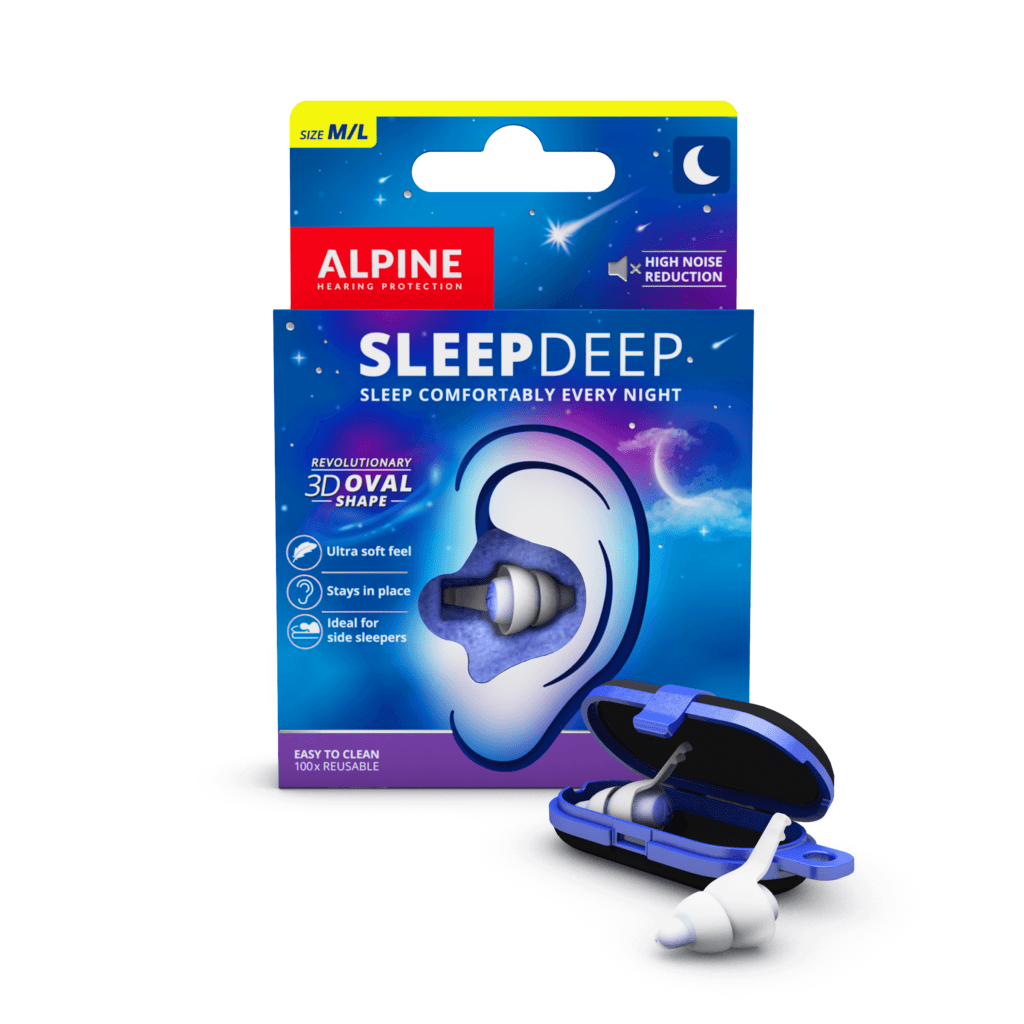
For those who are sensitive to noise, our earplugs can help you get a much better night’s sleep. Take, for example, our SleepDeep earplugs, which are designed to deliver maximum noise reduction — perfect for anyone who needs absolute quiet to sleep well.
By making earplugs part of your sleep routine, you can improve your sleep quality, wake up feeling more rested, and be ready to take on a new day.
For people who spend many hours in front of a screen, we also offer blue light glasses. These glasses help reduce eye strain and minimise disruption to your natural sleep cycle.
Frequently asked questions
Question: Can I increase my body’s natural melatonin production?
Answer: Yes — there’s plenty you can do to help your body produce more melatonin naturally. Sticking to a regular sleep schedule, keeping your bedroom dark and quiet, and limiting screen time before bed all help.
Question: How much sleep do I need each night?
Answer: Sleep needs vary, but most adults are advised to get between 7 and 9 hours a night. Children and teenagers need more.
Question: What are some good sleep routines?
Answer: Good sleep routines include going to bed and waking up at consistent times, avoiding caffeine and heavy meals late in the evening, keeping the bedroom cool and dark, and winding down with a calming activity before bed — reading, a warm bath, or some light stretching.
Question: How does light affect sleep?
Answer: Light has a big effect on the body’s natural sleep cycle. Bright light, especially blue light from screens, can suppress melatonin production and make it harder to fall asleep. Reducing light exposure in the evening — including using blue light glasses — can help.
Question: What is jet lag?
Answer: Jet lag is a temporary disturbance of the circadian rhythm caused by rapid travel across time zones. Sticking to good sleep habits and using sleep aids like a sleep mask and earplugs can help reduce the impact of jet lag.
Question: What is sleep apnoea, and how does it affect sleep?
Answer: Sleep apnoea is a serious sleep disorder where breathing repeatedly stops and starts during the night. It can cause snoring and daytime tiredness, and it requires medical attention.
Question: How can I improve my sleep quality?
Answer: Beyond establishing good sleep routines, products like sleep masks, earplugs and blue light glasses can help improve sleep quality. You’ll find a range of products designed to support better sleep in our webshop.
Read more about sleep
If you’re interested in going deeper into the science of sleep, we recommend exploring our other articles on the topic. Understanding how sleep actually works can help you appreciate why good sleep is so essential to overall health.
We believe a well-informed understanding of how sleep works helps you make better decisions about your sleep habits and routines. So take a look — it really is worth your time!
Conclusion
Melatonin plays a central role in our sleep. If you’re struggling with insomnia or simply want to improve the quality of your sleep, try our sleep masks, earplugs and blue light glasses. Visit our shop to learn more about how we can help you sleep better.