Excellent


Why you should breathe through your nose

Breathing through your nose is important for your health, your sleep and your energy levels.
In this article we’ll look at the benefits of nasal breathing, the downsides of mouth breathing, and how mouth tape can help you breathe through your nose at night. Let’s dig in!
The benefits of nasal breathing
There are several reasons nasal breathing is better for us than mouth breathing. Some of the main benefits:
- Filtration: The nose acts as a filter, removing dust, pollen and other particles from the air before it reaches the lungs.
- Warming and humidifying: Air passing through the nose is warmed and moistened — much easier for the lungs and the airways to handle than cold, dry air straight from the outside.
- Better oxygenation: Nasal breathing produces nitric oxide, a molecule that helps blood vessels dilate and improves the body’s ability to take up oxygen.
- A stronger immune system: The nose’s mucous membranes contain antibodies and other immune cells that help fight off infection.
- Better sleep quality: Nasal breathing during sleep promotes deeper, more restful sleep, while mouth breathing is associated with snoring and sleep apnoea.
- Stress relief: Slow, deep breaths through the nose activate the parasympathetic nervous system, which helps reduce stress and bring on a sense of calm.
The downsides of mouth breathing
- Dry mouth and bad breath: Breathing through your mouth dries out the mucous membranes, which can lead to dry mouth and bad breath.
- Dental problems: Mouth breathing can contribute to tooth decay and gum disease, since the dryness reduces the protective effect of saliva.
- Weaker immune system: Mouth breathing bypasses the nose’s filtration and immune defences, increasing the risk of infections and illness.
- Poor sleep quality: Breathing through your mouth at night can cause snoring and sleep apnoea, leading to poor sleep quality and daytime fatigue.
Read more about mouth breathing.
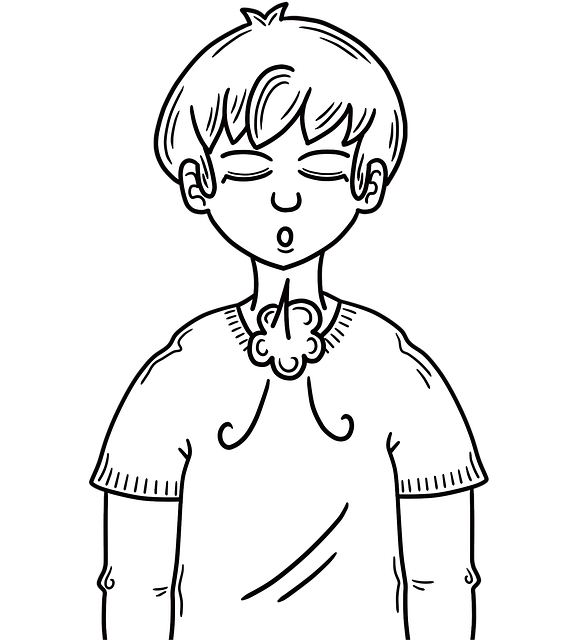
Mouth breathing in children
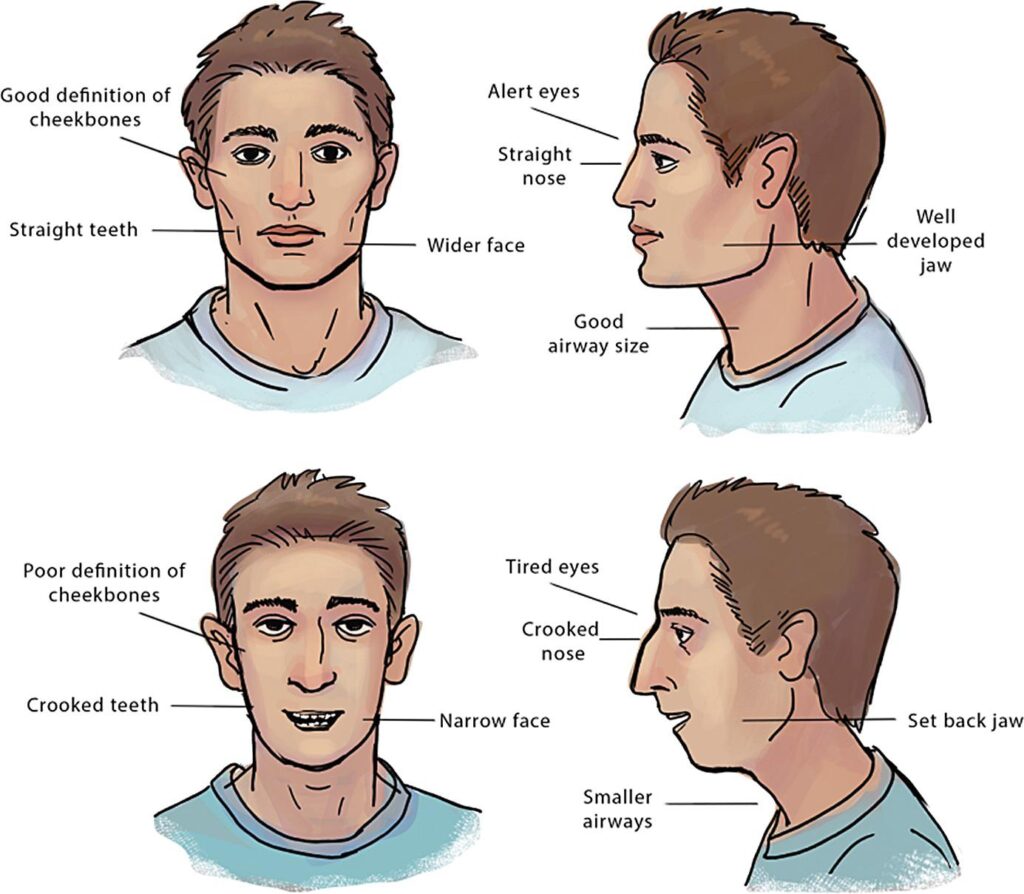
Mouth breathing in children deserves special attention because it can have lasting consequences for their development. When children habitually breathe through their mouth, it can lead to changes in their facial structure and appearance over time.
Some of the downsides of mouth breathing in children:
- Long face: Mouth breathing can lead to a longer, narrower face shape, since the jaw grows downward rather than forward.
- Narrow upper jaw: Mouth breathing can result in a narrow upper jaw and crowded teeth, sometimes requiring orthodontic treatment.
- Changes in jaw position: Mouth breathing can cause an open bite or other bite issues that affect speech and chewing.
Mouth tape for nighttime and during exercise
As you can read above, it’s no secret that you should always breathe through your nose. Most of the day you can manage that consciously and remember to breathe correctly. But at night and during physical exertion, it’s much harder to control how you bring air in.
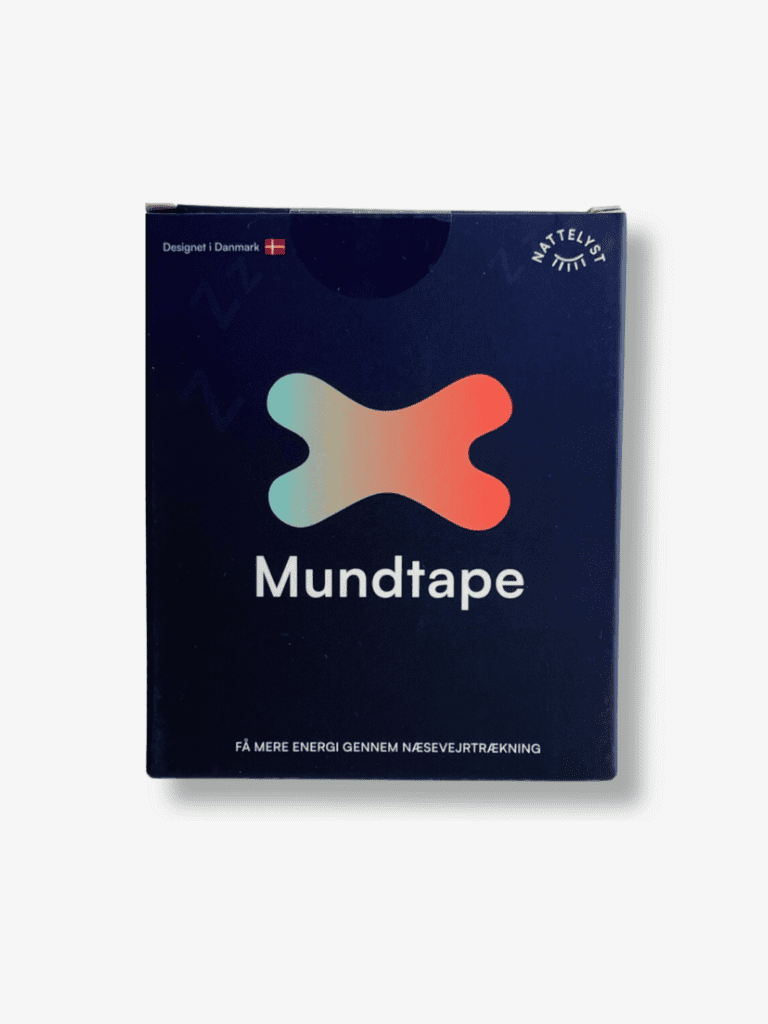
Mouth tape is a simple, effective tool that helps keep your mouth gently closed during the night, encouraging nasal breathing while you sleep. The result is calmer sleep, less snoring, and the full benefits of nasal breathing — even when you’re not consciously thinking about it.
Is it dangerous to use mouth tape at night?
Although there are some concerns about using mouth tape, it’s generally safe for most people. Mouth tape is designed to be mildly adhesive and isn’t strong enough to fully prevent you from opening your mouth if you really need to. If you have a cold, a stuffy nose or a different respiratory condition, mouth tape may not be the right fit for you, since you’ll need to be able to breathe through your mouth.
Generally speaking, mouth tape is a safe and effective method for promoting nasal breathing during the night for most people. It’s always a good idea to consult your doctor if you’re not sure whether mouth tape is right for you.
Frequently asked questions
Some common questions and answers about nasal breathing and the use of mouth tape:
How can I get used to breathing through my nose?
It can take a little time to get used to nasal breathing, especially if you’re used to breathing through your mouth. Start by paying attention to your breathing during the day and consciously try to breathe through your nose. Over time it will become a natural habit.
Are there situations where mouth breathing is necessary?
There are situations where breathing through your mouth is necessary — for example, during intense physical activity when the body needs more oxygen and it’s hard to get enough through the nose alone. In those cases, listen to your body and breathe in whichever way feels most comfortable and natural.
How do I choose the right mouth tape?
When choosing a mouth tape, make sure to pick one that’s specifically designed for this purpose. It’s also important to choose a tape that’s easy to remove and doesn’t leave sticky residue on the skin. Read reviews and follow the manufacturer’s recommendations to find the best mouth tape for you.